
Article
The Web Design Process: From Brief to Launch
By David Albinson on

Every successful website begins with a clear, structured process. Whether you are a small business owner or a marketing manager, understanding what happens during a web design project helps you plan resources, set realistic expectations, and get the best outcome from your investment. The web design process can vary between agencies and disciplines, but most follow a core sequence: from a discovery phase right through to launch and beyond. This guide breaks down the common stages, based on industry practice, so you know what to expect when working with a professional web design partner.
Why a Structured Web Design Process Matters
A well-defined process turns a vague idea into a usable, attractive, and effective website. Without one, projects risk scope creep, missed deadlines, and a final product that does not meet business objectives. According to Webflow, goal identification is the most important part of the web development process. The Digital Culture Network, a UK Arts Council-funded resource, also emphasises starting with a web design brief and selecting an agency before the design work begins. By following a repeatable process, your design partner can stay focused on what matters: growth, visibility, and engagement for your business.
How Many Steps Are There in the Web Design Process?
Different sources propose different numbers of steps. Prefacestudios outlines seven phases: Discovery, Content and SEO, Creative and UI, Development, Launch, Maintenance, and Evaluation. Webflow describes seven steps: Goal identification, Scope definition, Sitemap and wireframe creation, Content creation, Visual elements, Testing, and Launch. Framer suggests nine steps beginning with writing a brief and building a project plan. The Digital Culture Network uses six phases: Discover, Identify and Audit, Create, Curate, Launch, and Ongoing. There is no single correct number. The important point is that every stage serves a purpose, and the process should be tailored to the project.
The Typical Phases of a Web Design Project
While the exact sequence may differ, most projects pass through a recognisable arc. The following phases are based on the commonalities found across multiple industry sources.
1. Discovery and Briefing
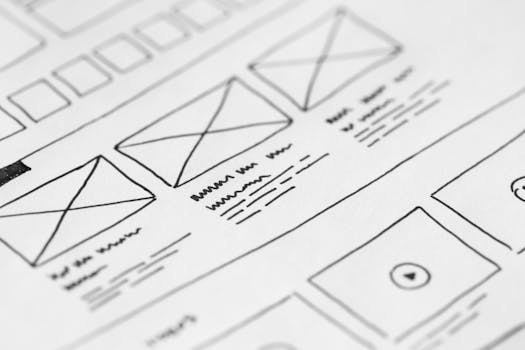
The web design process begins with a written brief that captures the website's goals, project scope, and target audience. During the discovery phase, your agency will conduct a needs assessment, review existing site analytics and conversion data, research your competitors, and create user personas. The Digital Culture Network places this phase first under 'Discover'. Prefacestudios also includes creating a sitemap, low-fidelity wireframes, and flow or process diagrams at this stage. The output is a clear set of requirements that guide the rest of the project.
2. Content and SEO Strategy
Content creation is a critical step that can appear at different points depending on the approach. Webflow explicitly places content creation as step four, before visual elements. Prefacestudios treats it as a separate phase after discovery, covering a content review, content plan, SEO audit, and SEO strategy. The Digital Culture Network bundles content creation into the 'Create' phase. Regardless of timing, the core activity remains the same: plan and write copy that is optimised for search engines and aligned with the user journey.
3. Creative and UI Design
Once the structure and content are understood, the visual design phase begins. This involves creating high-fidelity wireframes, UX/UI designs, clickable prototypes, and interactive mockups. According to Prefacestudios, this phase is called 'Creative and UI'. Framer's process includes defining the design system at this point, which covers colours, typography, spacing, and components. The aim is to produce a design that is both attractive and functional, reflecting your brand while ensuring a smooth user experience.
4. Development
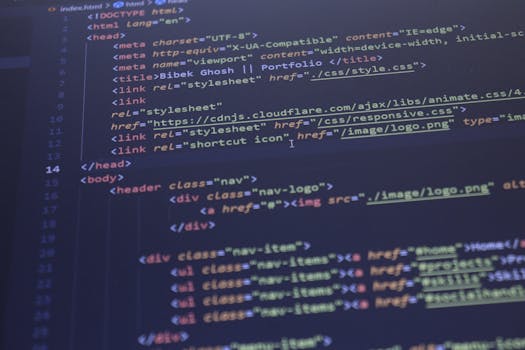
With approved designs in hand, the development team builds the website. This includes coding the front-end and back-end, integrating content, and setting up hosting. Prefacestudios lists a dedicated 'Development' phase. Depending on the complexity, this stage may also involve building custom applications or e-commerce functionality. The development phase transforms static wireframes and mockups into a live, working site.
5. Testing
Before launch, thorough testing is essential. Webflow includes testing as step six. This covers browser compatibility, mobile responsiveness, form submissions, page speed, and broken links. The goal is to identify and fix any issues so that the site performs reliably across all devices. The Digital Culture Network's 'Curate' phase also involves reviewing the site to ensure it meets the brief.
6. Launch
Launch is the point where the site goes live. Webflow's seven-step process ends here, as does Framer's sequence. Prefacestudios includes launch as a separate phase. The launch itself can involve domain configuration, server deployment, final testing, and a soft or hard launch depending on the project. Once the site is public, the focus shifts to monitoring performance.
7. Post-Launch Maintenance and Evaluation
Many agencies include post-launch activities to ensure the site continues to perform well. Prefacestudios adds both 'Maintenance' and 'Evaluation and Improvement' phases. The Digital Culture Network's final phase is 'Ongoing', which covers regular updates, security monitoring, and content refreshes. Webflow and Framer do not explicitly detail a post-launch phase, but in practice, any website needs ongoing care to remain secure, fast, and relevant.
How the Process Varies by Project Type
The web design process is not one-size-fits-all. A simple brochure site may compress discovery and design into a few weeks, while an e-commerce platform requires extensive functionality planning and testing. The sources used here describe tailored processes, and your agency will adapt the steps according to your specific needs. The key is to agree on a clear timeline and deliverables at the outset.
Choosing a Web Design Partner
The Digital Culture Network recommends selecting an agency before beginning the process. When you approach a web design company, ask about their process, how they handle content, and what post-launch support they offer. A professional partner should be able to explain their workflow in plain language and show how each phase contributes to your business goals.
If you are ready to start your own web design project, Bonsai Digital can guide you through every stage, from the initial brief to a successful launch and beyond. We combine creative design, robust development, secure hosting, and practical AI consultancy to shape websites that are attractive, reliable, and built around real business goals. Get in touch to see how we can help your business grow online.

Frequently Asked Questions
How long does the web design process take?
The timeline varies based on project complexity, the number of pages, and how quickly content is provided. A simple site might take four to six weeks, while a larger custom build can take several months. Your agency should provide a timeline during the discovery phase based on your specific scope.
Do I need to have all my content ready before design begins?
Not necessarily. Many agencies work with you to create a content plan during the process. Some prefer content to be written before visual design starts (as Webflow suggests), while others develop it alongside the design phase. The best approach is to discuss content timelines early in the project.
What happens after the website launches?
Post-launch, your site may need regular updates, security patches, performance monitoring, and content refreshes. Some agencies offer maintenance packages to handle these tasks. Evaluation of traffic and conversions can also guide future improvements, as highlighted by Prefacestudios and the Digital Culture Network.
Is the web design process the same for every type of website?
No. The core phases adapt to the project. E-commerce sites require extra functionality testing, while a portfolio site may focus more on visual impact. A good agency tailors the process to your industry, audience, and goals, rather than using a rigid template.